What is a procurement management plan?
A procurement management plan is a term applied to the set of
procurement processes that entail the proper definition of
personnel, scheduling, vendor management, and contract management.
Such a plan involves specific strategies for carrying out these
procurement processes, taking into account the stages involved,
from documentation to contract closure.
As a crucial component of the supply chain management,
procurement management tends to be one of those processes that’s
more tedious than necessary. Manual procurement management
processes are especially vulnerable to obstacles, such as delayed
approvals and misplaced documents. As a result of these factors,
projects slow down, productivity takes a hit, and overall business
profitability declines.
A procurement management plan serves as a good start to putting
procurement processes in order. Put to proper use, these documents
help lower overall procurement costs and support smoother business
operations.
In this article, we discuss the components of an effective
procurement management plan and list down the steps to creating one
for your projects. We’ll also go into detail about common problems
in procurement management so you can prepare accordingly.
The saying that no man is an island holds for procurement
management. Procurement management covers a chain of processes
essential to many businesses, whether for acquiring goods or
services. With proper procurement management, companies avoid
delays and errors that hurt
their bottom line[7].
Procurement management is crucial to both the private and public
sectors as well. In the private sector, these processes prove to be
integral to the supply chain, helping identify ideal sources of
supply and lowering the overall costs of raw materials. In the
public sector, on the other hand, especially in Europe,[8]
procurement management holds spending accountable to ensure value
for money.
The Importance of Procurement in Strategic Decision Making
Make or Buy decisions: 61
Make or Buy decisions
%
The Importance of Procurement in Strategic Decision Making
Determining how services are delivered: 53
Determining how services are delivered
%
The Importance of Procurement in Strategic Decision Making
New product development: 49
New product development
%
The Importance of Procurement in Strategic Decision Making
Corporate risk planning: 44
Corporate risk planning
%
The Importance of Procurement in Strategic Decision Making
Mergers and acquisitions: 27
Mergers and acquisitions
%
Deloitte, 2018
Designed by
Effective procurement planning and implementation start with a
procurement plan. A procurement plan establishes acquisition needs
and provides a clear roadmap of the procurement process from start
to finish. With a properly made procurement plan, you can reduce
procurement costs[9], improve relationships
with vendors, and improve overall business productivity.
Procurement Management Plan Defined
A procurement management plan outlines the essential procurement
processes, including scheduling and vendor and contract management.
It also identifies the team members to be involved in the
processes. The plan provides details on strategies for carrying out
procurement processes and illustrates various stages of
procurement, from documentation to contract closure. Additionally,
these plans are to be as thorough as possible to ensure overall
procurement efficiency.
In many cases, the procurement management plan is part of a
larger business strategy. For instance, the procurement management
plan often serves as an important component of a project management plan[10], which documents
external purchasing processes for a project. The information
detailed in the procurement management plan can be used in other
processes as well, including procurement documentation and change
requests.
Interestingly, despite the availability of procurement management
software[11], many companies
continue to rely on manual processes for creating these plans. This
is reflected in the slow growth of the procurement software market,
which is projected to reach $6.04
billion by 2023[12].
Source: Apps Run the World
The Core Components of a Procurement
Management Plan
Procurement management plans usually have several components
that identify various parts of the procurement process. Knowing
these core components helps procurement professionals understand
their roles better.
- Procurement needs – This section of the
procurement plan identifies the materials, products, or services
for external procurement. Each item usually includes a
justification for outside procurement, especially if internal
sourcing is possible. - Roles and responsibilities – This critical
component ensures that all parties involved understand the scope of
their work and responsibilities. Some important roles usually
defined in the procurement management plan include project
managers, contract managers, and corporate executives.
Additionally, a procurement management plan defines the boundaries
of each of these roles to minimize overlaps. - Scheduling – A procurement management plan
must contain scheduling details to ensure that procurement
processes are completed within the expected timeframe. In some
cases, the plan breaks down projects into specific tasks with start
dates and estimated finish dates. In a construction project, for
instance, the schedule includes details on contractors for plumbing
and electrical work. Project management software tools[13] can help in this
aspect, especially in managing schedules at a task level. - Vendor management – This section specifies
protocols and strategies for managing vendors. This way, businesses
ensure that vendors and contractors provide acceptable work within
the expected timeframe. Moreover, this section may detail processes
for status reporting, timesheet approval, and invoice
processing. - Review and approval processes – A procurement
management plan also describes the processes in place for reviewing
and approving changes to be made to procurement documents. These
processes ensure that only valid changes get approval.

Steps in Creating a Procurement Management
Plan
A thorough procurement management plan optimizes the procurement
process and increases a project’s chances of succeeding. Aside from
being detailed, a procurement management plan also needs to be
flexible. This ensures that the plan can change according to the
project’s scope and accommodate various risks and adjustments. The
following steps should guide you through making a procurement
management plan:
1. Define procurement terms and the best type of agreement to
use.
Start making the procurement management plan by outlining the
items and services that need to be procured, along with reasons for
procurement. Specify the dates when each item is needed, with
respect to the project’s timeline. For clarity, this section of the
plan should also indicate the people authorized to approve these
purchases.
Additionally, decide if you want to use fixed-price contracts or
cost-reimbursement contracts. You also have the option of choosing
contracts based on material costs or fixed hourly rates. Once the
contract type is established, specify the details on managing the
contract throughout its lifecycle, including approvals and
signature requirements.
2. Identify risks, protocols for risk mitigation, and
constraints.
To ensure flexibility, a procurement management plan accounts
for potential risks that could cause project delays, along with
mitigation strategies for these risks. Specify these risks, which
may include delayed delivery of products and services, unmet cost
expectations, shipping delays, and vendor conflicts. Make sure to
include strategies, such as replacement contractors or vendors, to
reduce the impact of these risks.
Similarly, the procurement management plan should include
project constraints. Outline possible limitations so these can be
taken into consideration throughout the procurement process. For
instance, expressly stated budget constraints would help team
members, contractors, and vendors understand that sticking to the
budget is non-negotiable.
Source: BCI Supply Chain Resilience Report
2018
3. Determine costs.
This is a crucial step in creating a procurement management plan
as it directly affects the budget. Mostly, cost determination
involves issuing a request for proposal (RFP), which asks vendors
to provide bids for their products or services. These RFPs
typically include critical schedule dates and provide details on
vendors’ products and services, work arrangements, and previous
experience. Vendors also usually provide a line-by-line outline of
their costs to help managers and executives make informed decisions
on procurement.
4. Establish approval processes and decision criteria.
This part of the procurement management plan outlines the
approval workflow for contracts. Specify the steps required before
final approval, including reviews for bids and proposals, and
analyses of services and costs. This detailed workflow helps ensure
that each contract is reviewed properly before the final approval
stage.
Aside from the approval workflow, establish the criteria that
vendors should meet to be awarded contracts. These criteria may
include the quality of the products and services offered by the
vendor, performance history, RFP compliance, and the vendor’s
ability to follow the provided schedule. Here, you can also specify
additional vendor requirements, such as social and environmental
responsibility.
5. Define processes for managing vendors.
These vendor management processes may include how and when
project managers and vendors will meet as well as the goals of
these meetings. This way, project managers regularly receive
progress updates and get the information they need to keep the
project on track.
Additionally, establish performance metrics so vendors
understand your expectation in terms of scheduling and final costs.
These processes ensure that the products and services you need are
delivered on time without compromising quality.
The good news is that the best procurement
software[14] today offer plenty of
tools for managing suppliers and vendors.
Tradogram[15], for instance, has
features for ensuring smooth communications with suppliers and
vendors. The software provides supplier evaluation forms and vendor
scorecards so you can easily do vendor evaluations. Moreover, the
platform comes with built-in messaging and discussion rooms to
facilitate hassle-free collaboration with suppliers and
vendors.
Tradogram
Try out Tradogram with their free trial
VISIT
WEBSITE[16] FREE TRIAL[17]
The People Who Are Involved in Procurement
Management
Procurement management often involves more than just the
purchasing department or the procurement team. Procurement
processes cover a wide range of functions and roles. People
involved in procurement include:
- Project managers who manage the schedule and oversee the budget
for the project. - Contract managers who provide input in terms of documentation
and changes to contracts. - Technical managers who specify technical requirements for
contractors and determine terms for the statement of work[18]. - Lawyers who advise businesses on legal requirements and provide
input on contracts. - Executives who make decisions and have the final say on
contracts and contractual issues. - Finance departments that set spending limits on procurement and
provide reports on revenue and spend management.
With the wide-ranging functions of procurement, it’s not
surprising that procurement management solutions often offer
integrations with business software such as ERP
software[19] and accounting platforms[20]. Tradogram, for
instance, comes with built-in integrations for QuickBooks, Xero,
and Sage 300.
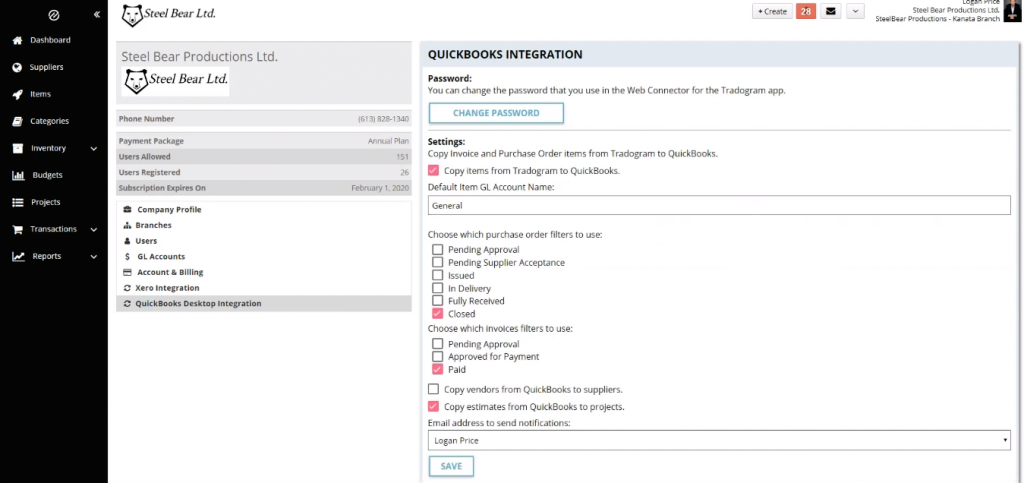
Through the Tradogram dashboard, you can
specify how QuickBooks integrates with the platform.
Reasons You Need a Procurement Management
Plan
We’ve already discussed some of the benefits of a well-made
procurement management plan. As part of the overall procurement
management process, this plan ensures that the procurement process
goes well for your business’ projects, among other benefits
like:
- It provides a detailed list of a project’s needs as well as
reliable sources that can fill these needs. - The plan helps project managers, and procurement professionals
set realistic expectations for projects, especially in terms of
delivery time. - It strengthens procurement strategies and ensures stakeholders
that these processes are as optimized as possible. - A procurement plan establishes a timeline and a responsible
party for each step of the procurement process, improving
transparency and accountability. - It organizes procurement by combining similar requirements into
one contract or separates large requirements into several contract
packages.
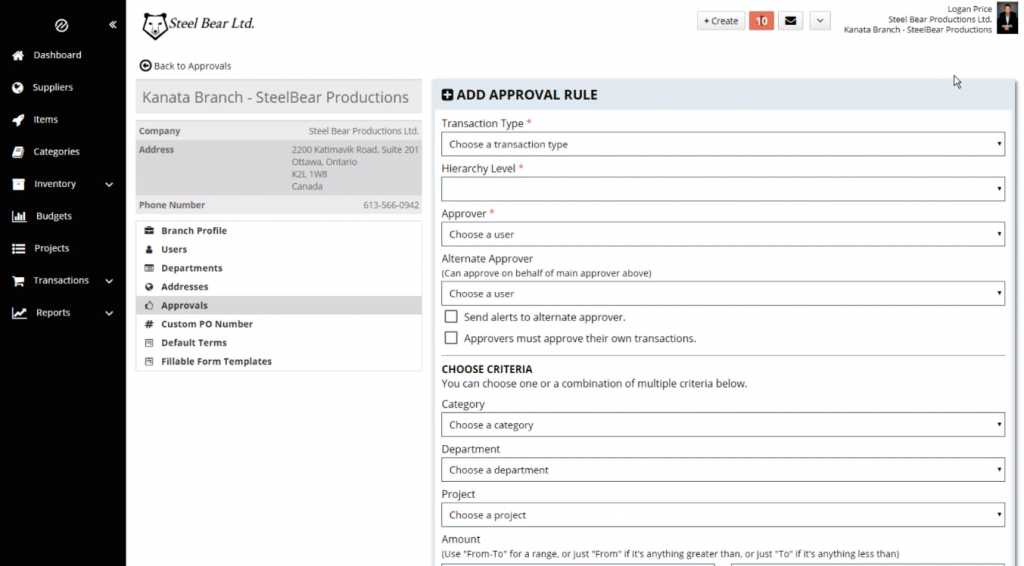
Tradogram streamlines the approval
process through automated alerts for the users involved.
Common Problems in Procurement Management
Given the complicated nature of procurement, it’s not surprising
that the field can be fraught with challenges. Many of these
challenges can be resolved through an optimized procurement
management process.
- Managing request processes. Procurement often
involves a wide variety of request forms, including Request for
Proposal and Request for Quotation forms. A procurement management
plan ensures that there are clear procedures in place for
processing these forms and that these procedures are strictly
implemented.
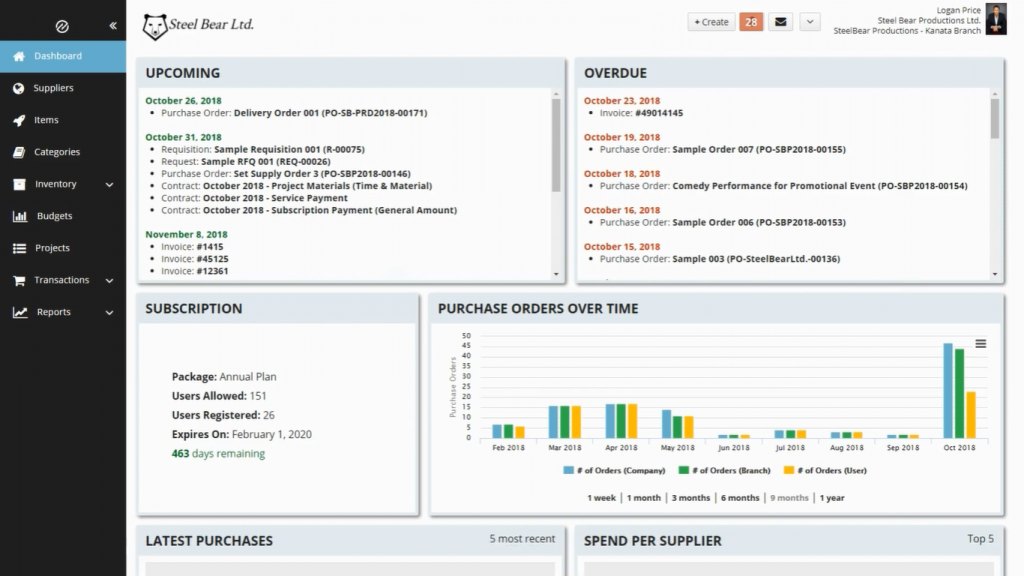
Tracking orders in Tradogram with
analytics.
- Risk mitigation. Projects often come with
their own sets of risks, which must be managed properly to ensure
that projects are completed. A flexible procurement plan takes
these risks into consideration and provides mitigation strategies
for minimizing risks’ impact on projects. - Managing stakeholder expectations. It can be
challenging to coordinate with stakeholders and manage their
expectations and goals in terms of projects. The procurement
management plan provides sufficient transparency into the
procurement process to assure stakeholders that their interests are
protected.
The Future of Procurement Management
Like most fields, procurement is no stranger to digital
transformation. Disruptive technologies such as procurement
software, advanced analytics, and crucial trends in
artificial intelligence[21] make it easier for
procurement professionals to handle planning and implementation.
These technologies optimize procurement processes through
automation, providing benefits, such as strategic sourcing and
proactive supplier management.
Procurement solutions like Tradogram provide an easy first step
to transitioning into digital procurement. You can check out the
platform’s free trial if you’re interested.

Read more https://financesonline.com/how-to-create-a-procurement-management-plan/